
For three hundred years, a small group of British painters made a specific kind of image: dogs, rendered with the same gravity given to portraits of generals and lords. Warm tones. Dark studio backgrounds. Light that falls on the subject like it matters where it lands.
This is a brief library of the three painters most directly responsible for the look. Read in any order. Each is a 5-7 minute read.
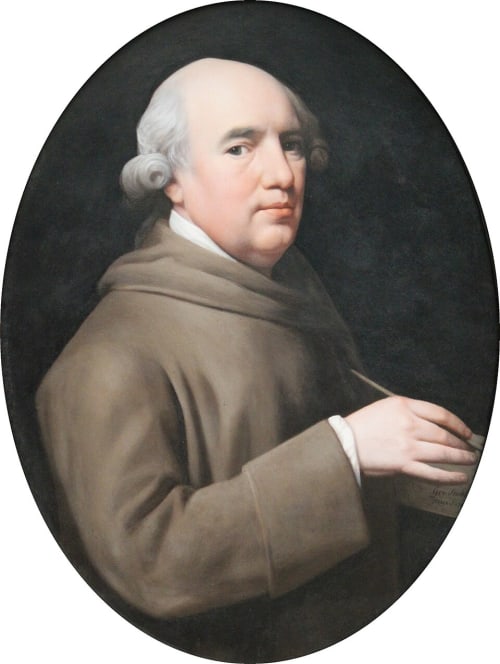
No. 01 · 1724 – 1806
George Stubbs
The father of animal painting. Anatomical precision. The dignified pose. The man who turned dog portraits into the canonical English aesthetic.
Read the article →
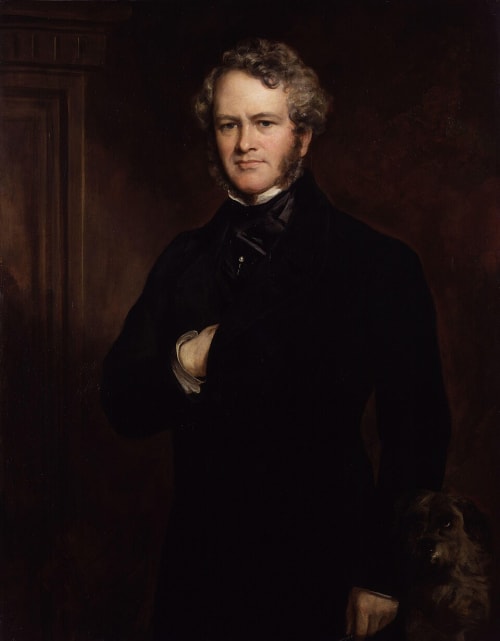
No. 02 · 1802 – 1873
Sir Edwin Landseer
Queen Victoria's favorite painter. The man who made dog portraiture canonical — and gave a Newfoundland breed his name.
Read the article →
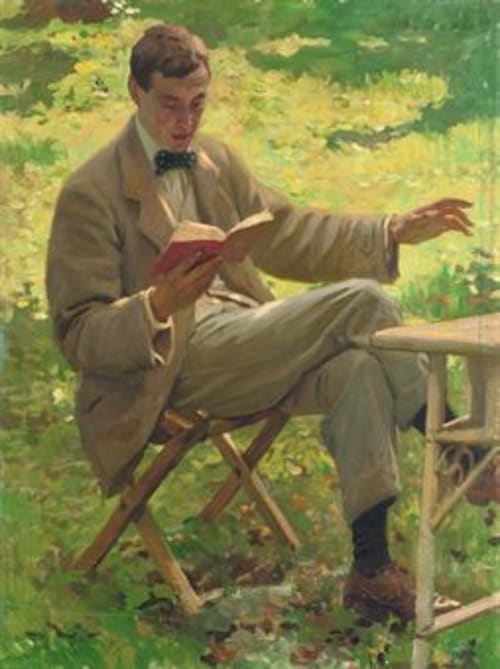
No. 03 · 1878 – 1959
Sir Alfred Munnings
The sporting painter who made animals feel alive. Outdoor light, loose brushwork, the dog as part of a real scene.
Read the article →
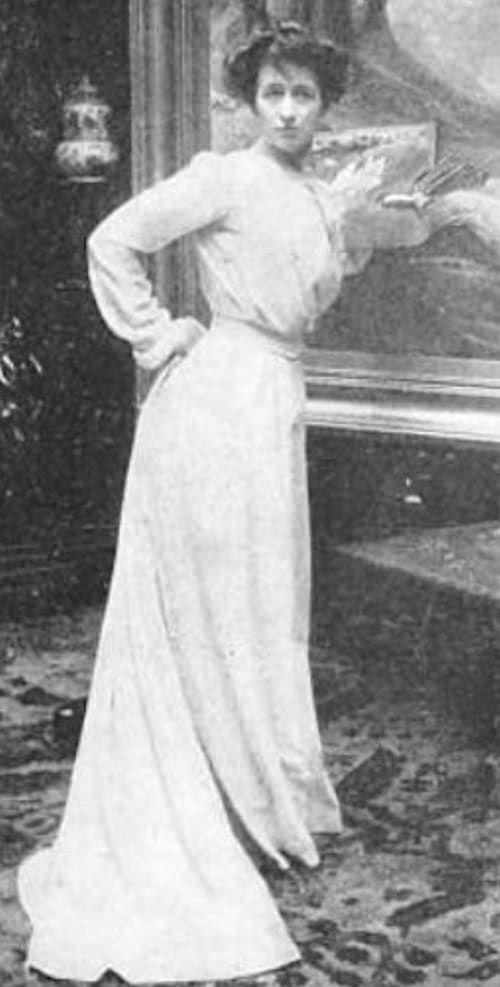
No. 04 · 1864 – 1943
Maud Earl
The first major woman in animal painting. Edward VII's preferred painter. Dogs as individuals — character first, breed second.
Read the article →
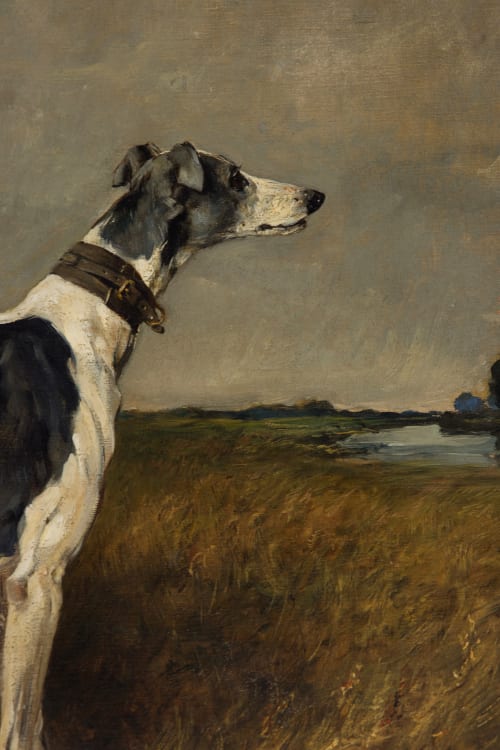
No. 05 · 1844 – 1912
John Emms
The painter of foxhounds in stable straw. The country-house dog portrait, defined. Working dogs at rest.
Read the article →
You don't need to know any of these names to commission a vintage-style oil portrait of your own dog. See how it works →